Keynote Speakers
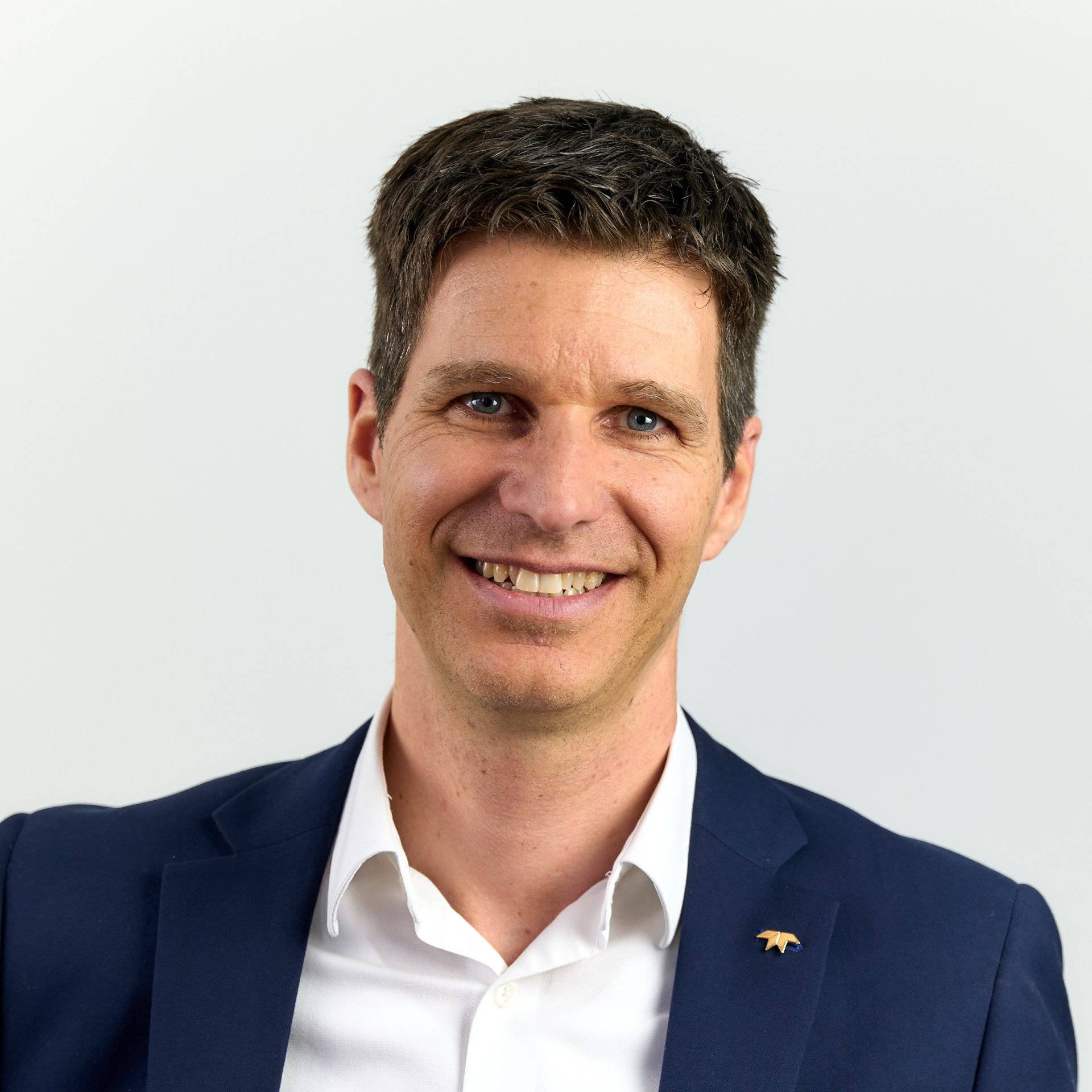
Stephane Martel, Teledyne DALSA
Teledyne Evolution : From Sensing to Decision Support
Teledyne MEMS, operating the two largest semiconductor fabs in Canada, will be presenting its most recent activities in the development and commercialization of a variety of sensors in a wide range of applications. Mr. Martel will be covering both the internal imaging sensors development where Teledyne is fully vertically integrated and the MEMS foundry activities where Teledyne acts as a pure play MEMS foundry. We will review some specific applications in different markets such as deep space exploration, healthcare, AI infrastructures and industrial inspections.
Stephane Martel received the B. Eng. degree in Electrical Engineering from Sherbrooke University in 1997 and the M.A.Sc degree in Physical Engineering from Montreal’s Ecole Polytechnique in 1999. Mr. Martel joined Teledyne DALSA Semiconductor (TDS) foundry in 1998 as a Process Integration engineer and led multiple R&D projects for TDS. In 2003, Mr. Martel was promoted to the position of Manager of the Process Integration group supervising the foundry process development work. In 2012, Mr. Martel was appointed as Director of the Project Management Office (PMO), in charge of New Technology and New Product Introduction (NTI & NPI processes) for the MEMS foundry. In 2023 the Product Engineering and Test & Inspection groups were added to his scope, as well as the responsibility to manage the internal to Teledyne business. In 2026, he was appointed as the Vice-President of R&D and Strategic Partnerships for Teledyne MEMS. In this position, he manages a large portfolio of external development projects as well as long-term R&D projects for Teledyne MEMS involving collaboration with universities and research institutes.
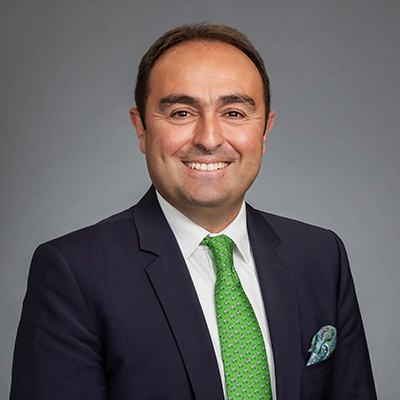
Mohamad Nasser-Eddine, Canada Foundation for Innovation
From Scientific Excellence to Strategic Impact: Evolving Research Infrastructure to Strengthen Canadian Innovation
In an era defined by intensifying global competition, shifting strategic supply chains, and the rapid emergence of new technologies, research infrastructure is playing an increasingly critical role in Canada’s economic prosperity and technological sovereignty. This presentation will explore the evolving role of the Canada Foundation for Innovation (CFI) through its renewed vision and the priorities outlined in its recently updated strategic plan. Beyond funding leading-edge equipment and facilities, the CFI is focused on maximizing the impact of public investments by enabling broader and more equitable access to research infrastructure, strengthening alignment with the Government of Canada’s strategic priorities, and accelerating benefits for society and the economy. The presentation will highlight new approaches aimed at democratizing access to advanced technology platforms and specialized facilities, particularly for researchers, emerging institutions, industry partners, and regional innovation ecosystems. It will also examine the growing role of research infrastructure in supporting strategic sectors such as semiconductors, quantum technologies, artificial intelligence, clean technologies, life sciences, and advanced manufacturing. Drawing on the recent directions associated with the Innovation Fund 2027 (IF2027), this presentation will discuss how infrastructure investments can simultaneously support scientific excellence, industrial competitiveness, highly qualified talent development, and the generation of lasting socioeconomic benefits for Canadians. Finally, it will offer a perspective on how Canada’s research infrastructure model can continue to evolve to address the scientific, economic, and geopolitical challenges of the coming decades.
As the CFI’s Vice President of Programs and Planning, Mohamad Nasser-Eddine leads the strategic design and delivery of national research infrastructure investments that enable world-class science and innovation across Canada. With more than 26 years of experience spanning academia, government and funding organizations, he now operates at the intersection of science, policy, and leadership, actively shaping, influencing, and advancing CFI’s mandate, guiding the evolution of Canada’s research and innovation ecosystem, while also driving measurable economic and societal impact to make that ecosystem a strong and sustainable one. Internationally, he represents Canada as an ad hoc expert to the European Strategy Forum on Research Infrastructures, including its Strategy working group on environment where he contributes to advancing global collaboration and sustainability priorities in research infrastructure.
Throughout his career, Mohamad has led transformative initiatives to enhance the impact of large-scale research investments, promote inclusive access to cutting-edge facilities, and advance responsible approaches to research assessment. He is particularly committed to fostering the next generation of talent, emphasizing the development of “T-shaped” skills that combine deep expertise with interdisciplinary capacity.
He holds a PhD in chemistry and an executive MBA in technology management and began his career as a research scientist specializing in drug delivery systems.